


Introduction
The Indian Premier League has always adapted to changing times. From introducing new teams and advanced technology to expanding its global reach, the tournament has continuously evolved to remain the most valuable and popular T20 league in the world.
Now, the IPL faces a challenge that cannot be solved by strategy, talent, or technology alone — extreme weather.
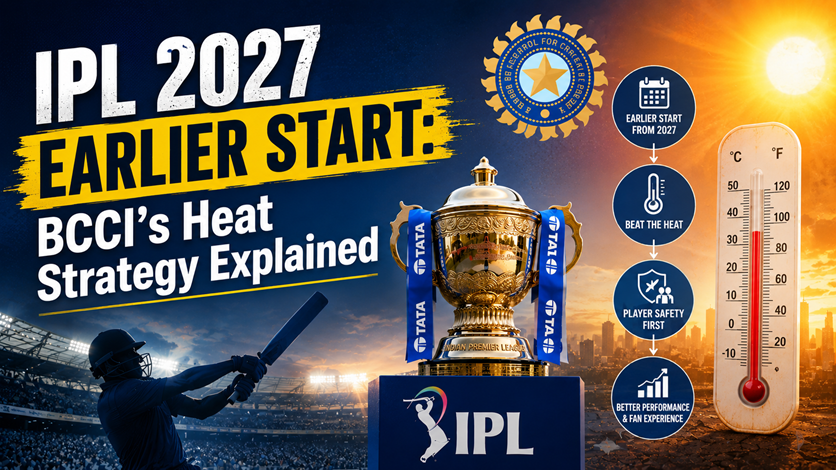
With Indian summers becoming increasingly difficult, the Board of Control for Cricket in India (BCCI) is preparing to make a significant adjustment by considering an earlier start for the IPL from 2027. The proposed move aims to reduce the impact of intense temperatures during the later stages of the tournament and ensure a safer environment for players, match officials, and millions of fans.
The possible change represents a major moment in cricket history, showing how environmental factors are beginning to influence the future of sporting calendars.
Why Extreme Heat Has Become a Serious IPL Concern
Over the years, the IPL has delivered thrilling contests during the peak of the Indian summer. However, conditions in several host cities have become increasingly challenging.
During April and May, temperatures in cities such as Delhi, Ahmedabad, Jaipur, and Lucknow can rise above 40°C. Although matches usually begin during the evening, players still spend hours warming up, training, and competing in hot and humid conditions.
The physical demands of modern T20 cricket make these circumstances even tougher.
Players must deal with:
- Constant sprinting between the wickets
- High-intensity fielding efforts
- Long spells of fast bowling
- Mental pressure and concentration over several hours
When combined with a busy schedule and frequent travel, extreme heat can place additional strain on the body.
The Science Behind Playing Cricket in High Temperatures
Sports science has become a crucial part of modern cricket, and experts now understand how environmental conditions affect athletic performance.
Playing in excessive heat can lead to several problems:
- Dehydration
- Heat exhaustion
- Muscle fatigue and cramps
- Reduced stamina
- Slower recovery between matches
Fast bowlers, all-rounders, and fielders who cover large areas of the ground are particularly affected because of the repeated bursts of energy required throughout a match.
IPL franchises already use advanced fitness monitoring, hydration plans, cooling techniques, and recovery programs, but changing the tournament schedule could provide an additional layer of protection.
How an Earlier IPL Window Could Benefit the Tournament
A change in the IPL calendar could have advantages beyond player safety.
Better Quality Cricket
More comfortable weather conditions may allow players to maintain higher intensity throughout the tournament.
Bowlers could preserve their pace and endurance, while fielders might maintain their sharpness during crucial moments.
Improved Stadium Experience
Fans are an essential part of the IPL experience.
Thousands of supporters travel long distances and spend several hours inside stadiums. A slightly cooler period could create a more enjoyable atmosphere for spectators, particularly during afternoon preparations and travel to venues.
Better Recovery for Players
The IPL schedule is packed with matches, training sessions, and travel across different cities.
Reducing heat stress could help players recover faster and remain physically ready throughout the long competition.
Challenges BCCI Must Solve Before Changing the IPL Schedule
While an earlier IPL start sounds beneficial, implementing the plan will require careful negotiations.
The IPL operates within a crowded global cricket calendar. The BCCI must balance several factors, including:
- International bilateral series
- ICC tournament schedules
- Availability of overseas stars
- Franchise preparation periods
- Broadcast and commercial commitments
Since the league features many of the biggest names in cricket, even small changes to the calendar can have worldwide consequences.
Finding a solution that benefits every stakeholder will be a complex process.
A Global Trend: Sports Adapting to Climate Change
The IPL is not the only competition affected by rising temperatures.
Across the sporting world, organisers are changing schedules and introducing new measures to protect athletes. Football tournaments have introduced cooling breaks, tennis events have adjusted heat policies, and other outdoor sports are constantly reviewing player safety guidelines.
The BCCI’s proposed change reflects a growing understanding that climate conditions must be considered when planning major sporting events.
As one of the world’s richest cricket organisations, the BCCI could set an example for other boards dealing with similar challenges.
Expert Opinion: A Necessary Evolution for the IPL
From a cricket analyst’s perspective, an earlier IPL start appears to be a sensible and forward-thinking decision.
The league has become a global entertainment product involving elite athletes, billion-dollar broadcasting agreements, and massive fan engagement. Maintaining the health and performance of players is essential for preserving the standard of the competition.
Some logistical challenges will certainly arise, but the sport has repeatedly shown its ability to adapt.
The introduction of new rules, expanded tournaments, and technological innovations proves that cricket can evolve when necessary.
How Fans Have Reacted to the Potential Change
The possibility of an earlier IPL schedule has generated discussions among fans and cricket experts.
Many supporters believe the decision is necessary because player welfare should remain the top priority.
Fans also expect that cooler conditions could produce faster fielding, better bowling performances, and a more entertaining brand of cricket.
However, some supporters are concerned about possible clashes with other tournaments, international series, and traditional IPL timings.
Regardless of the debate, most fans agree that the long-term sustainability of the tournament is more important than maintaining old schedules.
What Happens Next for IPL 2027?
The final decision on the IPL 2027 calendar will depend on discussions between the BCCI, franchises, broadcasters, international cricket boards, and player representatives.
Several possibilities are expected to be explored:
- Starting the IPL earlier in the year
- Adjusting the length of the tournament
- Creating longer breaks between matches
- Increasing heat-management measures
The objective will be clear — maintaining the IPL’s global popularity while ensuring a safer and healthier environment for everyone involved.
Conclusion
The BCCI’s proposal to start the IPL earlier from 2027 could become one of the biggest scheduling changes in the tournament’s history. The decision highlights how modern cricket is adapting to the realities of extreme weather and increasing demands on professional athletes.
While balancing international schedules and commercial commitments will be challenging, prioritising player welfare and match quality is a necessary step for the future.
The IPL has built its reputation by constantly evolving. An earlier start may be the next major transformation that ensures the world’s biggest T20 league continues to thrive in an era where climate and sport are becoming more closely connected.
Frequently Asked Questions
Why does BCCI want to move the IPL schedule earlier from 2027?
BCCI is considering an earlier IPL window to avoid extreme summer temperatures and improve safety for players, officials, and fans.
Which IPL cities experience the highest temperatures?
Cities such as Delhi, Ahmedabad, Jaipur, and Lucknow often experience temperatures above 40°C during peak summer months.
How does extreme heat impact cricket matches?
Extreme heat can cause dehydration, fatigue, reduced concentration, muscle cramps, and longer recovery periods for players.
Will the IPL 2027 schedule officially change?
The proposal is under consideration, and the final decision will be made after discussions with all major stakeholders.
Could this decision influence other cricket leagues?
Yes. If successful, it may encourage other cricket boards and leagues to reconsider their schedules based on climate and player welfare concerns.
